Statewide Rodent Control · Est. 2011
Rodent Control in California
Rat removal, mice removal and permanent rodent proofing for homes and businesses across California. Roof rats, Norway rats and house mice, handled by inspection, trapping and exclusion rather than bait.
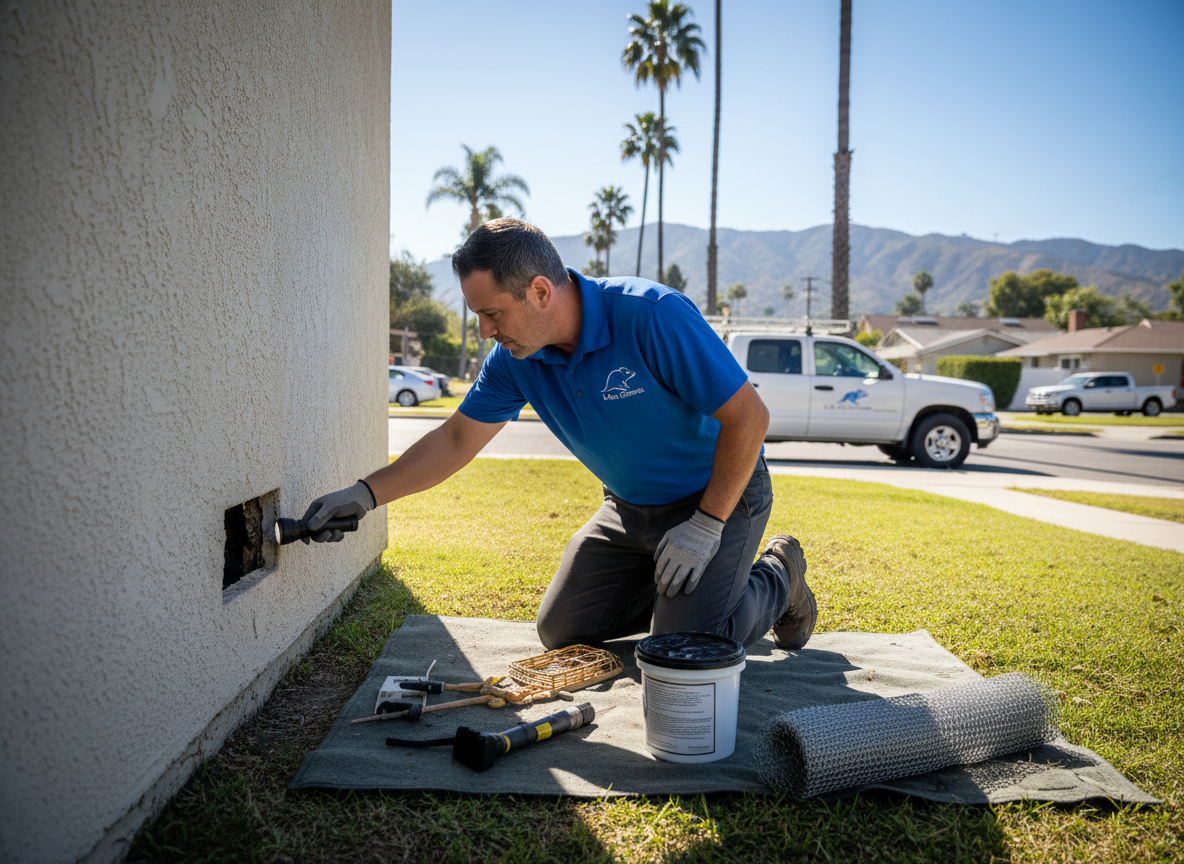
Recent job in Los Angeles
Mice were chewing wiring in our garage at night. He identified them as house mice, found the failed door seal and an uns…
Los Angeles, CA
California Rodent Control Pros: Owner-Operated Rodent Solutions Statewide
Javier Soto founded California Rodent Control Pros with a focus on practical rodent control drawn from years of hands-on work in Los Angeles. As an owner-operated company rooted in the county, the business grew from direct experience with the region's Mediterranean climate and the housing stock common across older neighborhoods and newer developments alike. This local foundation now supports service calls throughout California.
The approach stays straightforward: inspect the property, identify entry points created by dry summers or mild winters, and apply targeted removal and exclusion methods that hold up in varied terrain. Customers reach the same operator for every job, whether the property sits in Los Angeles or elsewhere in the state. Service runs on a clear schedule that fits real workdays.

“Upfront pricing and responsive service for rodent control and rat removal across California.”
Javier Soto
Owner · Since 2011
Rodent Control Across California
California rodent work is species-driven. Roof rats enter from the roofline, Norway rats from crawl spaces and drains, house mice through a quarter-inch gap. We identify which one you have before a single device is placed, then seal the building so the problem does not repeat.
Species Identification First
Roof rat, Norway rat or house mouse is confirmed from droppings, rub marks, runways and burrows before any trap is set, because each one enters at a different height.
Exclusion, Not Just Trapping
Every gap wider than a quarter inch is sealed with hardware cloth, sheet metal and copper mesh. Trapping clears the animals inside; sealing is what ends the cycle.
AB 1788 Compliant Methods
California restricts most second-generation anticoagulant rodenticides. Our work is built on inspection, mechanical trapping, sanitation and physical exclusion.
Statewide Coverage
Service across coastal, Central Valley, foothill and desert regions, where housing stock and rodent pressure differ substantially from one to the next.
Decontamination Included
Droppings and contaminated insulation are removed wet after disinfectant misting, never dry swept, because aerosolised particulate is the hantavirus exposure route.
Year-Round Pressure, Year-Round Service
California's mild winters mean rodents never go dormant. There is no off season, which is why sealed buildings outperform seasonal treatment.
Rodent Control Services Across California
Residential Rodent Control
Whole-home rodent control for California houses dealing with roof rats, Norway rats or house mice in… $150-$300.
Commercial Rodent Control
Integrated Pest Management rodent programs for California restaurants, food facilities, warehouses, … $250-$500.
Rodent Removal
Rat removal and mice removal for California homes and businesses, from species identification and tr… $125-$275.
Dead Rodent Removal
Locating and removing dead rats and mice from wall voids, attics, crawl spaces and ductwork, with fu… $150-$300.
Rodent Exterminator
Licensed rodent exterminator service across California for roof rats, Norway rats and house mice, co… $125-$275.
Rodent Cleanup
Biohazard rodent cleanup for California attics, crawl spaces and living areas: droppings removal, in… $150-$300.
15+
Years serving California
19
Specialist services
60+
Cities covered
Free
Estimates & advice
Cities we serve
Rodent Control Across California — Cities We Serve
Los Angeles · Mediterranean climate with mild winters and warm dry summers.
What to expect, start to finish
Inspection and Species Identification
A technician inspects the attic, crawl space, garage, roofline and exterior perimeter, confirming whether the property has roof rats (Rattus rattus), Norway rats (Rattus norvegicus) or house mice (Mus musculus). Every entry point is mapped and photographed.
Runway Trapping
Snap traps and enclosed devices are set flush against walls, rafters and beams on confirmed travel paths, identified by greasy rub marks, droppings and gnaw damage. Devices are checked on a set schedule until consecutive checks show zero activity.
Exclusion Sealing
Once the structure is clear, every gap wider than a quarter inch is closed with quarter-inch hardware cloth, sheet metal, copper mesh and metal-backed door sweeps. Vents are screened, roof-to-fascia gaps closed and utility penetrations packed.
Decontamination
Droppings, nesting material and urine-contaminated insulation are pre-misted with disinfectant and removed wet, then treated enzymatically to break down the pheromone trails that draw new rodents to the same location.
Verification and Prevention
A return visit one to two weeks later confirms no fresh droppings or runway activity and re-checks every seal. Vegetation clearance, food storage and waste handling are covered so the property stops being worth colonising.
What California Customers Say
“Mice were chewing wiring in our garage at night. He identified them as house mice, found the failed door seal and an unsealed gap in the shared wall behind the sink, set traps flush along the wall runways and fitted a metal-backed bottom seal. Activity stopped in ten days and has not returned.”
“Roof rats in the attic. Two previous companies had only put out bait stations. This time the roofline actually got inspected and the gap where the roof deck met the fascia was found, plus an unscreened gable vent. Both were sealed with hardware cloth and the contaminated insulation was replaced. One rat returned briefly before the sealing was finished.”
“Norway rats had burrowed under the crawl space and were scratching through the floor. He trapped at the burrow entrances, screened the foundation vents with hardware cloth, replaced the torn vapor barrier and flagged a chewed section of duct that was pulling crawl space air upstairs. Second visit confirmed nothing new.”
Rodent Control Tips & Guides for California
2026-08-24
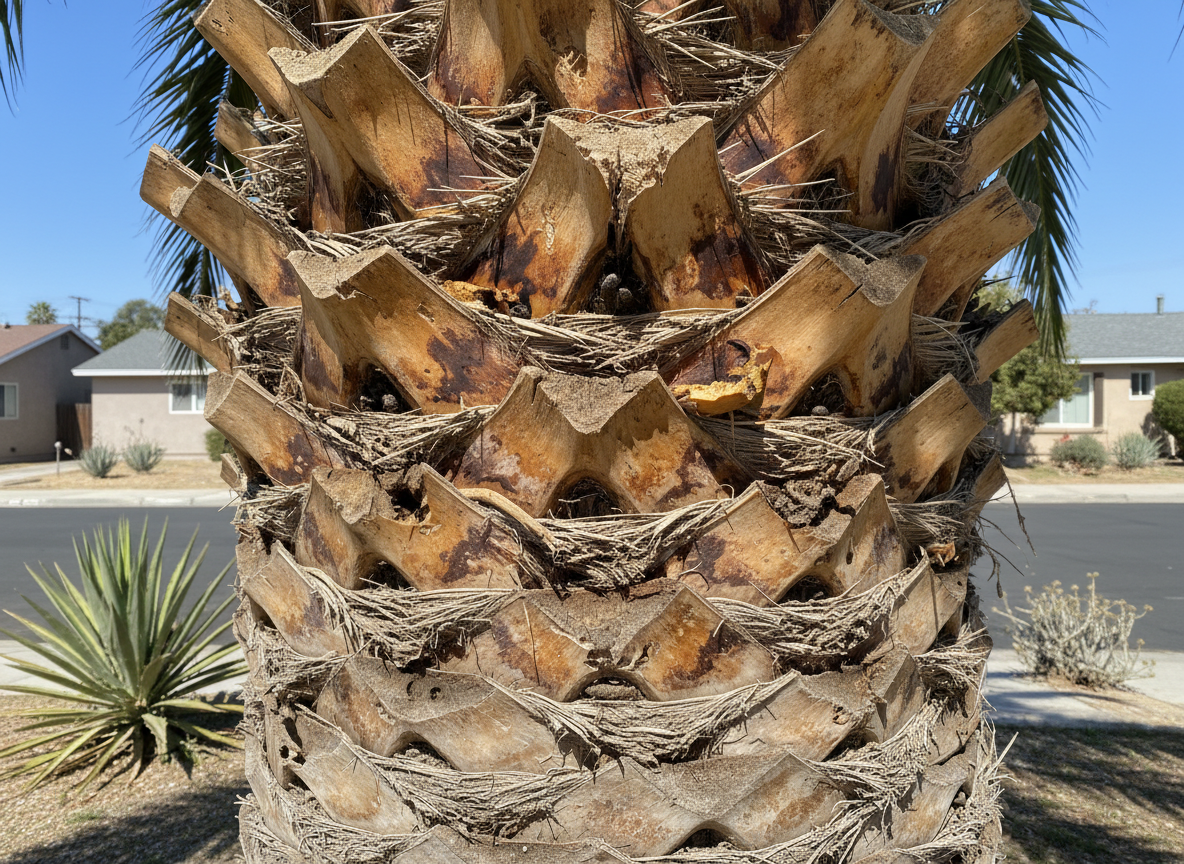
How To Spot Roof Rat Signs In Los Angeles Palm Trees
Roof rats frequently nest in the fronds of Los Angeles palm trees due to the mild Mediterranean climate that supports year-round foraging ac…

2026-08-24
Rodent Proofing Older Homes In Los Angeles Neighborhoods
Older homes across Los Angeles face unique rodent pressures from aging foundations and rooflines. Effective proofing starts with targeted se…

2026-08-24
What Influences Rodent Control Costs Across Los Angeles
Rodent control costs in Los Angeles vary based on home age, neighborhood, and the scale of the infestation. Local conditions like older hous…

Good to know
Rodent Control FAQs for California Homeowners
Still have questions? We're happy to talk it through.
(561) 562-7607