2026-08-24 · Javier Soto
Rodent Proofing Older Homes In Los Angeles Neighborhoods
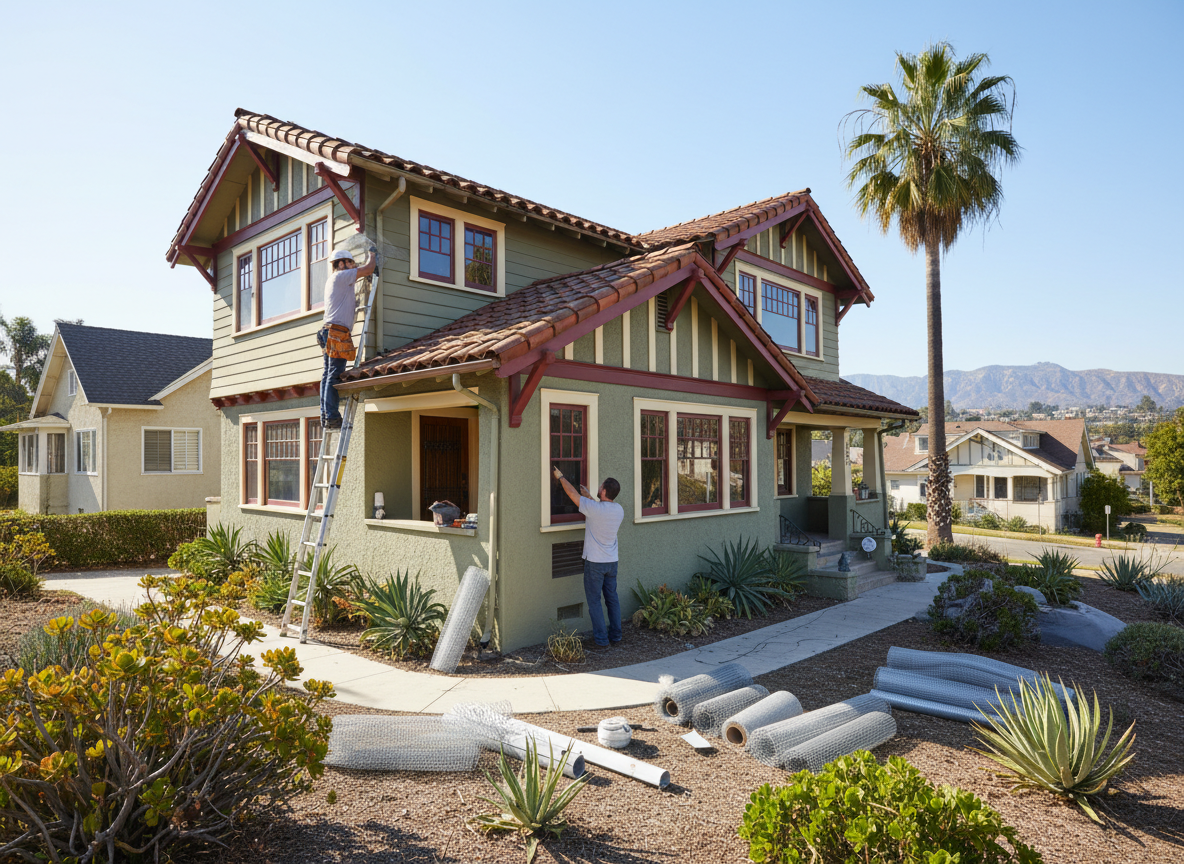
Rodent proofing older homes in Los Angeles neighborhoods typically involves sealing 15–30 entry points around foundations, eaves, and utility lines common to pre-1950s builds. Homes in areas such as Hollywood, Silver Lake, and Boyle Heights often feature Craftsman or Spanish-style construction with gaps that roof rats exploit year-round. The Mediterranean climate brings mild winters that keep rodents active and warm dry summers that drive them toward indoor water sources. Property owners in East Los Angeles and Echo Park see higher activity where mature trees and dense vegetation provide cover near structures.
Common Entry Points in Pre-1950s Los Angeles Homes
Older homes in Downtown, Westwood, and Koreatown frequently have crawl spaces and attic voids with deteriorated vent screens and loose soffits. Roof rats enter through 1/2-inch gaps around plumbing stacks and electrical conduits that have shifted over decades. In neighborhoods like South Central and Watts, stucco cracks and foundation settling create ground-level access that Norway rats use. Checking soffits, fascia boards, and chimney flashing reveals most vulnerabilities before sealing begins. Homeowners can inspect these areas during daylight hours when rodent activity leaves visible rub marks along beams.
Adapting Proofing to Local Climate and Terrain
The Mediterranean climate means proofing must handle both winter rains that soften soil around foundations and summer dryness that pushes rodents indoors. In Pasadena and Glendale, hillside lots increase runoff that erodes sealing materials, requiring metal mesh over foam fillers. Flat lots in Santa Monica and Burbank experience less erosion but more vegetation contact that needs trimming back 18 inches from walls. Using 1/4-inch galvanized hardware cloth on vents and doors lasts longer than plastic alternatives in this environment. Annual inspections after the first rains catch new gaps before they widen.
Neighborhood-Specific Challenges Around Los Angeles
Homes near the Hollywood Sign or Griffith Observatory often sit amid dense brush that funnels rodents toward structures during dry periods. In Venice and Echo Park, older bungalows with multiple additions create complex roof junctions that need custom flashing. Boyle Heights and East Los Angeles properties with detached garages require separate perimeter checks because rodents travel between buildings along fences. Rodent proofing addresses these patterns by focusing on actual entry points rather than blanket treatments. Properties near Dodger Stadium or Universal Studios share similar issues due to nearby green spaces and older utility infrastructure.
Practical Steps and Ongoing Maintenance
Begin with a full exterior walk-around noting gaps larger than a dime, then prioritize attic and crawl space access points. Install door sweeps on all exterior doors and cover chimney flues with rodent-rated caps. Trim palm trees and ivy that touch roofs, as these routes are common in Los Angeles. How to spot roof rat signs in Los Angeles palm trees helps identify early activity before proofing. Reinspect sealed areas every six months, especially after wind or rain events that can dislodge materials. What influences rodent control costs across Los Angeles outlines variables such as home age and access difficulty that affect project scope.